
CH 9. Carboxylic Acids & Derivatives
Key focus of this chapter: carboxylic acids and derivatives
This chapter reviews carboxylic acids and their derivatives, nucleophilic acyl substitution, nitriles, and Claisen condensation.
A. Carboxylic Acid Properties
1. Structures, nomenclature, acidity and synthesis
a. Carboxylic acid framework
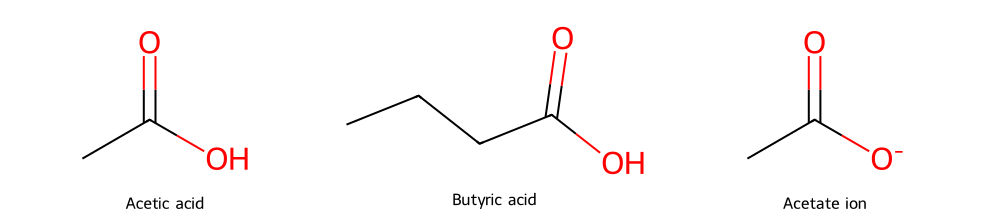
- A carboxylic acid contains a carbonyl group directly bonded to a hydroxyl group: R–C(=O)–OH.
- The carboxyl group combines a polarized C=O bond with an O–H bond; its two oxygen atoms share electron density in the conjugate base.
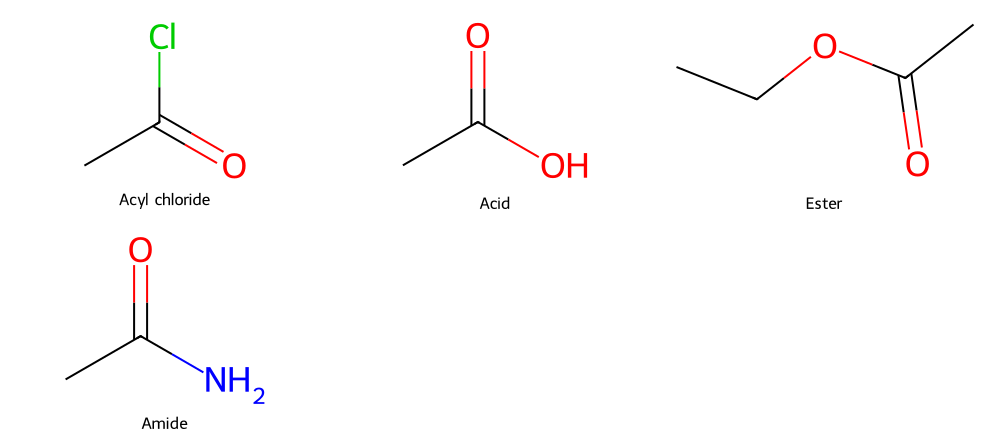
- Acyl compounds have the general framework R–C(=O)–Z, where Z identifies the functional-group family.

b. Parent chain and substituents
- Select the longest parent chain containing the carboxyl carbon; this carbon is C1.
- Replace the parent alkane suffix with -oic acid. For a carboxyl group attached to a ring, use -carboxylic acid.
- Two acid groups may be described with the suffix -dioic acid.

c. Intermolecular association
- Carboxylic acids can donate and accept hydrogen bonds. They often form hydrogen-bonded pairs in nonpolar environments.
- Small carboxylic acids are readily soluble in water; increasing the hydrocarbon portion reduces water solubility.
- Carboxylate salts are ionic and frequently show much greater water solubility than their neutral parent acids.
d. Resonance of a carboxylate
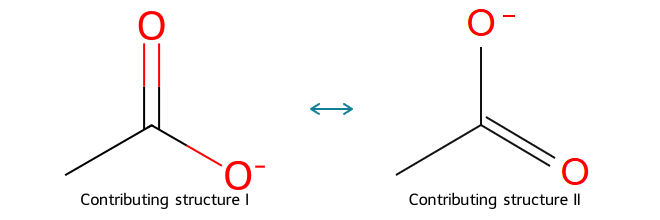
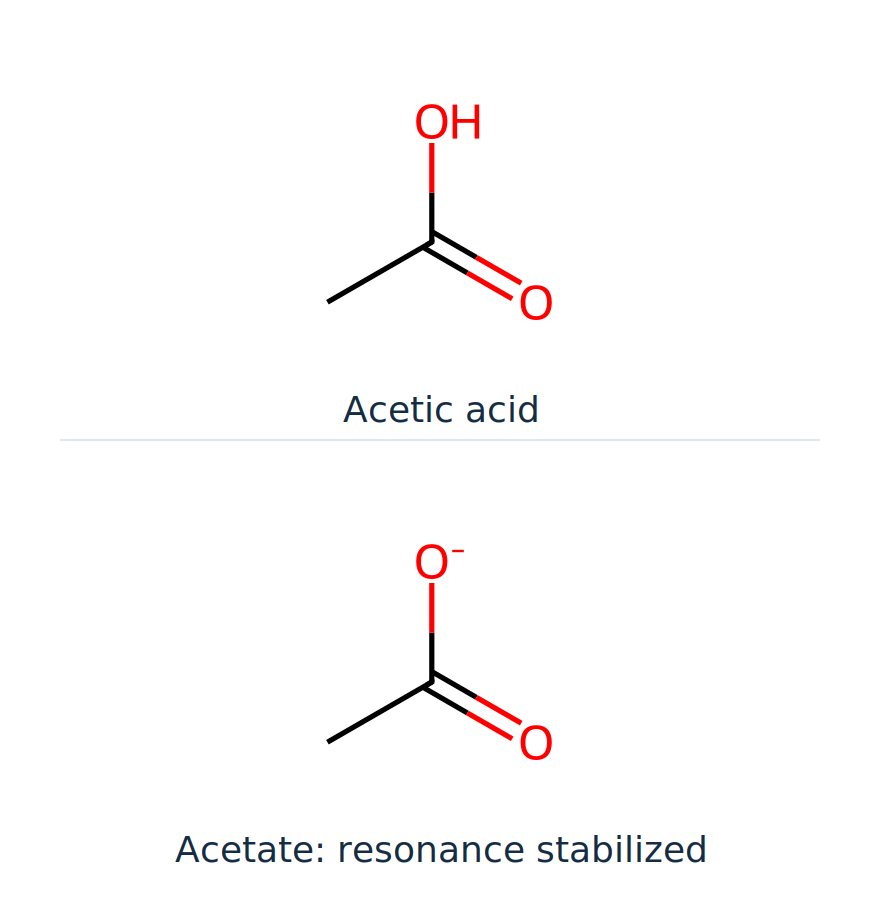
- Loss of H⁺ produces a carboxylate ion (RCO₂⁻) in which the negative charge is delocalized over two oxygen atoms.
- The two major resonance contributors have the same atomic connectivity, while the C–O π bond and negative charge are interchanged.
- This resonance stabilization contributes to the greater acidity of carboxylic acids relative to ordinary alcohols.
e. Inductive electron withdrawal
- Electron-withdrawing substituents stabilize the carboxylate conjugate base and generally increase acidity.
- The inductive effect is stronger when the substituent is closer to the carboxyl group and diminishes with separation.
- For example, chloroacetic acid is appreciably more acidic than acetic acid because the chlorine substituent withdraws electron density.

f. Oxidative conversion
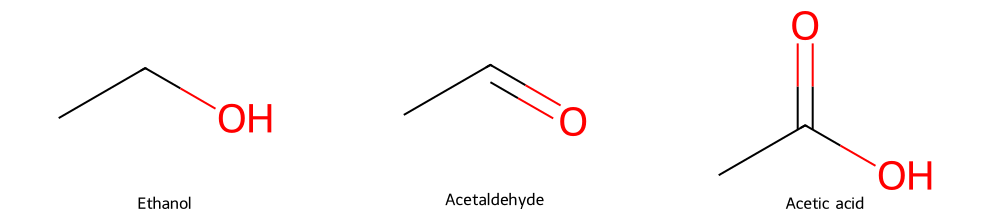
- Primary alcohols can be oxidized to carboxylic acids using sufficiently strong oxidation conditions.
- Aldehydes are readily oxidized to carboxylic acids; secondary alcohols ordinarily oxidize to ketones instead.
- Side-chain oxidation of suitable alkylbenzenes can produce benzoic-acid derivatives.
g. Nitriles and organometallic reagents
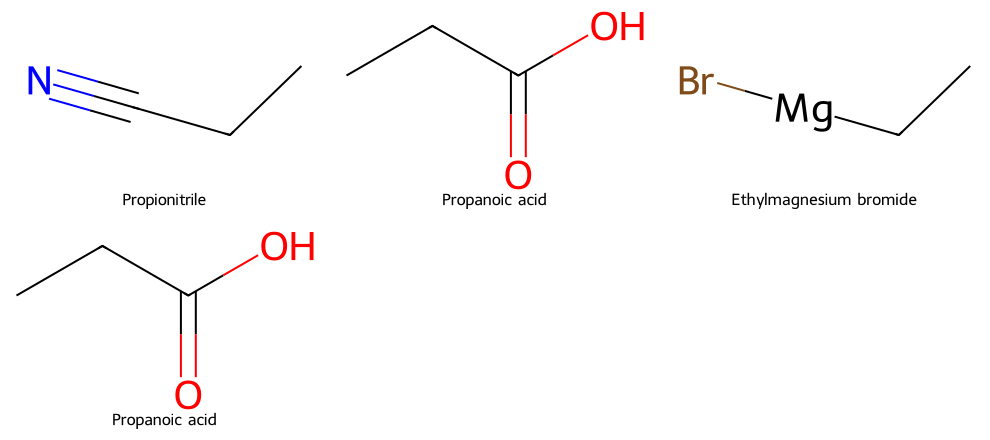
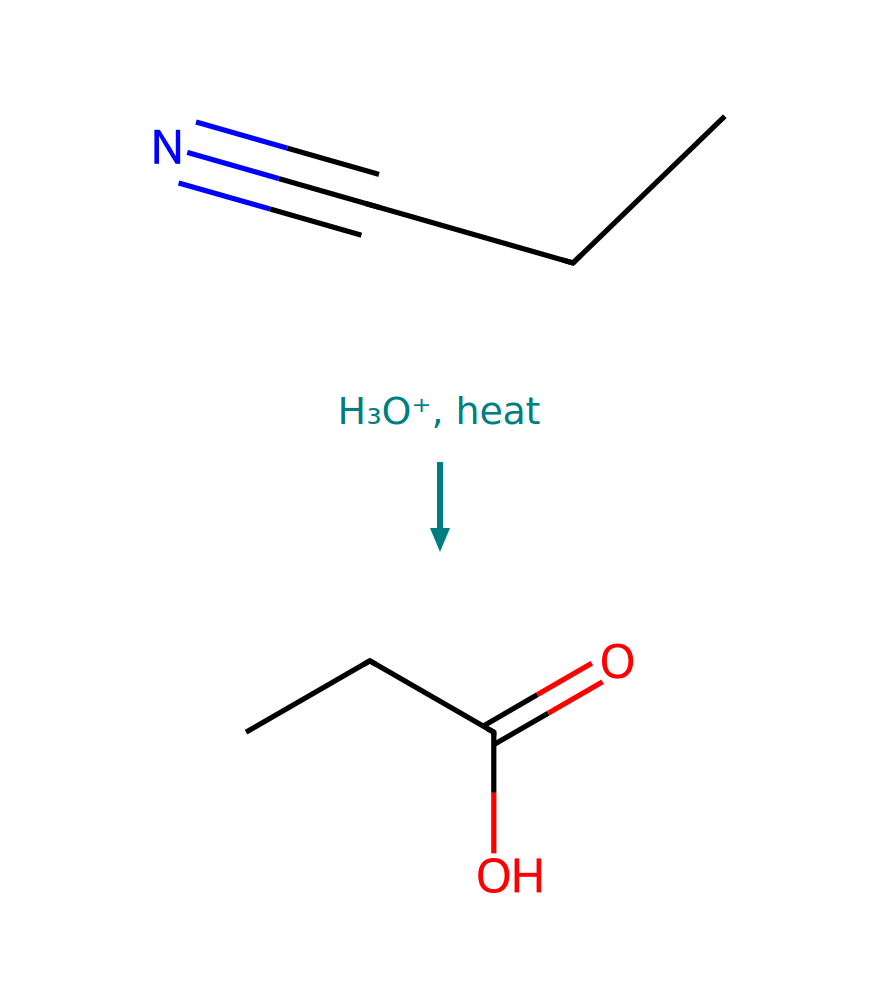
- Acidic or basic hydrolysis of a nitrile ultimately produces a carboxylic acid (after acidic workup where needed).
- Reaction of an appropriate Grignard reagent with CO₂, followed by acidic workup, gives a carboxylic acid with one additional carbon.
- Grignard reagents must be kept away from water and other protic reagents until the workup step.
h. Solubility and salts
- Carboxylic acids form strong hydrogen-bond associations. Small acids are water soluble; a large hydrocarbon framework reduces solubility.
- Base converts an acid to a carboxylate salt; subsequent acidification regenerates the acid. Bicarbonate can deprotonate ordinary carboxylic acids with CO₂ evolution.
B. Nucleophilic Acyl Substitution
1. Addition–elimination and acyl reactivity
a. Acyl family comparison
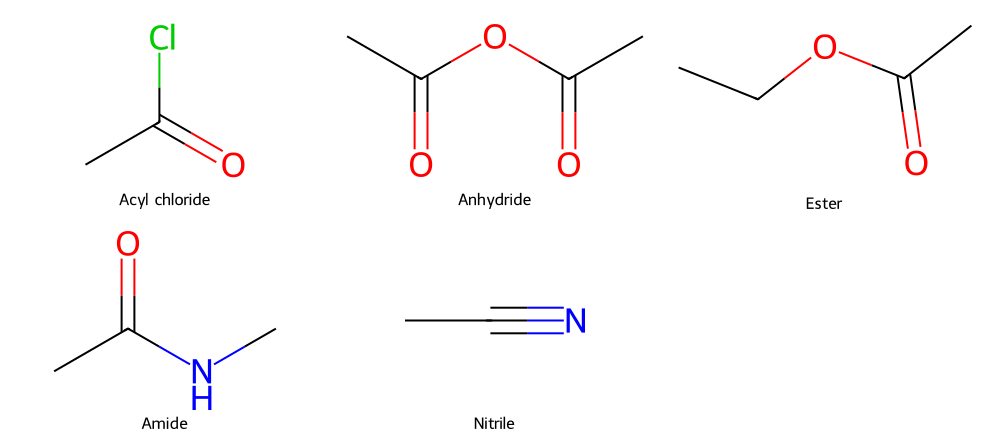
- An acyl halide has Z = halogen (commonly Cl); an anhydride has Z = OC(=O)R; an ester has Z = OR; an amide has Z = NR₂.
- Thioesters contain Z = SR. Nitriles (R–C≡N) are related in synthesis and hydrolysis but do not possess an acyl carbonyl.
- The atoms directly attached to the acyl carbon strongly influence reactivity and leaving-group ability.
b. Addition and elimination
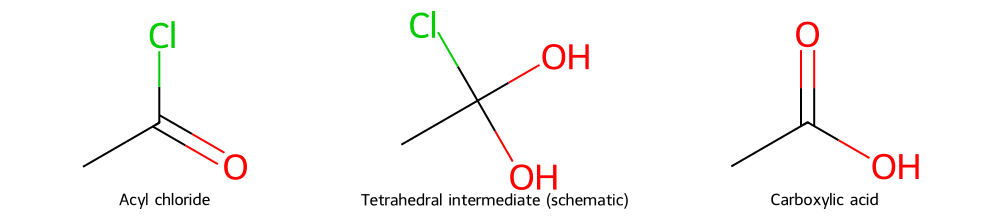
- The acyl carbon is electrophilic because the C=O bond is polarized toward oxygen.
- A nucleophile attacks the carbonyl carbon to form a tetrahedral intermediate; re-formation of C=O can then expel a leaving group.
- This differs from aldehyde/ketone nucleophilic addition: an acyl derivative has a group Z that can leave.
c. Relative tendencies
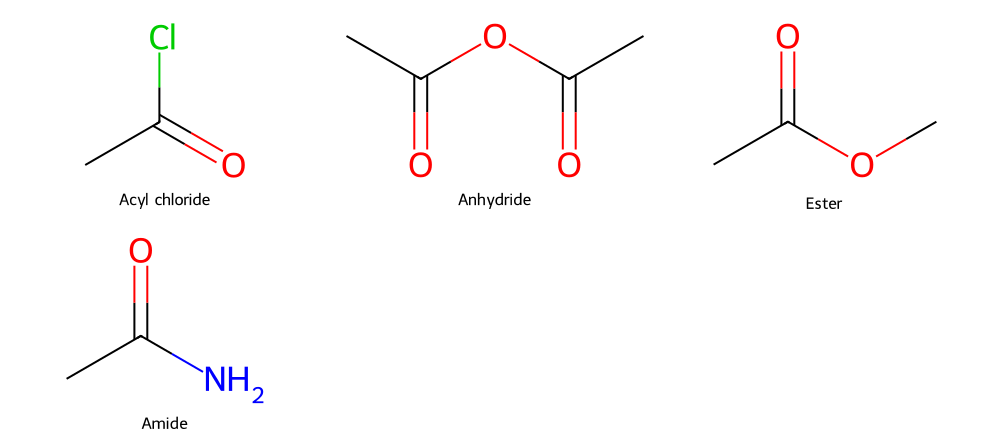
- A commonly useful reactivity order is acyl chloride > anhydride > ester ≈ carboxylic acid > amide for nucleophilic acyl substitution under comparable conditions.
- Leaving-group ability, resonance donation, reagent identity and reaction conditions all affect whether a conversion is practical.
- Converting a less reactive derivative into a more reactive one generally needs activation rather than a simple exchange.
| Acyl derivative | Common reaction | Typical product |
|---|---|---|
| Acyl chloride | Water / alcohol / amine | Acid / ester / amide |
| Anhydride | Alcohol / amine | Ester / amide |
| Ester | Hydrolysis / hydride / Grignard | Acid / alcohol / tertiary alcohol |
| Amide | Hydrolysis / strong hydride | Acid / amine |
- Leaving-group basicity affects the driving force for acyl substitution.
- Protonation and basic conditions can change the practical reactivity ordering.
d. Recognizing the family
- Acid chlorides, anhydrides, esters and amides contain a substituent attached to an acyl carbon that can act as a leaving group under suitable conditions.
- A lactone is a cyclic ester; a lactam is a cyclic amide. Nitriles are related acid precursors but do not contain a carbonyl group.
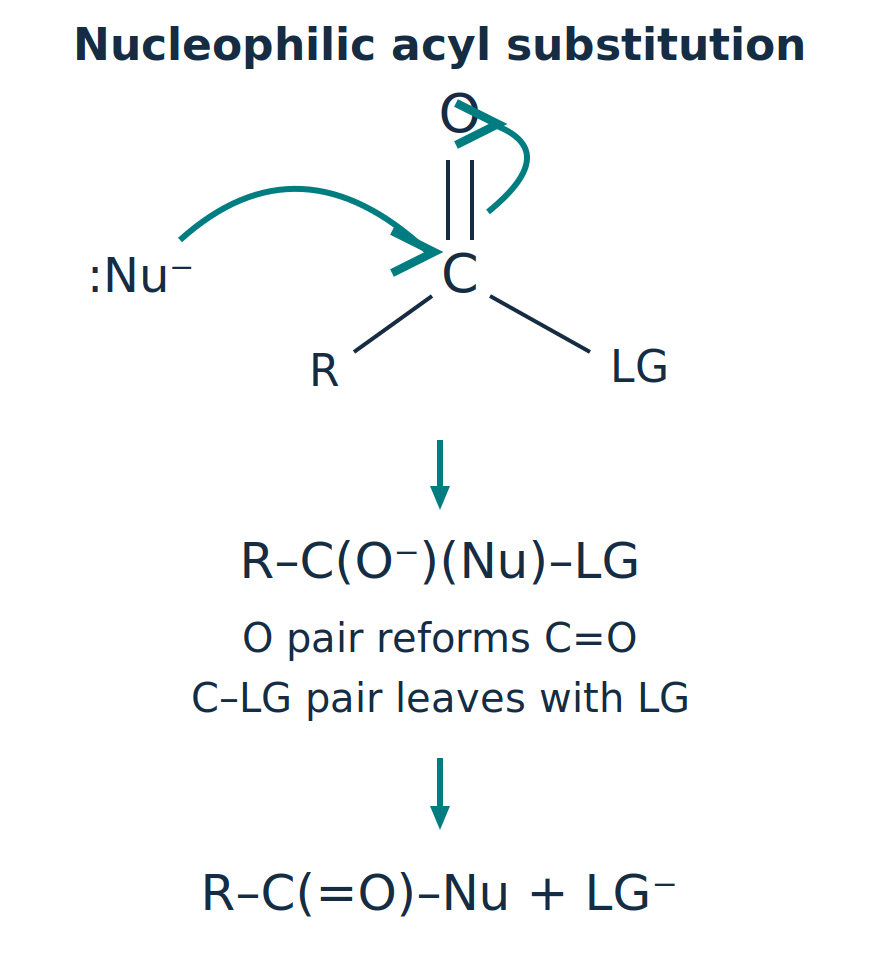
e. Addition–elimination
- Nucleophile addition forms a tetrahedral intermediate. Collapse restores C=O and expels a leaving group; proton transfers depend on the conditions.
- A common neutral derivative reactivity trend is acid chloride > anhydride > ester > amide. Carboxylic acids require separate attention because bases often deprotonate them first.
| Derivative | Group on acyl carbon | General reactivity |
|---|---|---|
| Acid chloride | Cl | High |
| Anhydride | OCOR | High |
| Ester | OR | Intermediate |
| Amide | NR₂ | Lower; strong resonance donation |
C. Acyl Chlorides, Anhydrides, Esters and Amides
1. Preparation, interconversion and reduction
a. Activation and coupling
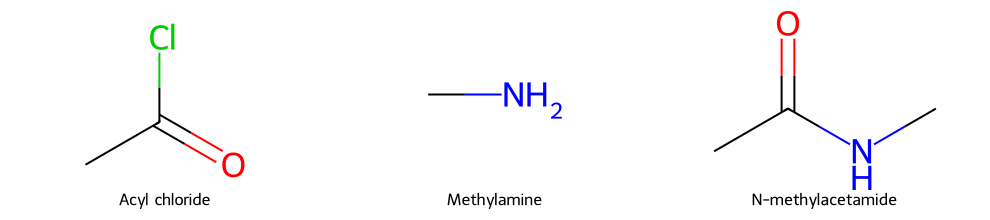
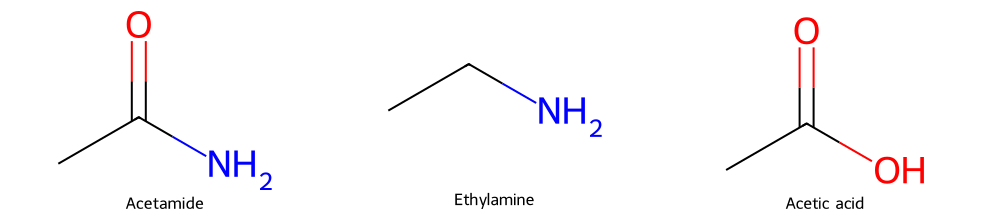
- A carboxylic acid can be activated before reaction with ammonia or an amine to form an amide.
- Directly mixing an amine with a carboxylic acid often gives an ammonium carboxylate salt; activation or dehydrating conditions are typically needed for efficient amidation.
b. Hydride reduction
- Strong hydride reagents such as LiAlH₄ can reduce carboxylic acids to primary alcohols, followed by careful workup.
- Selectivity differs from the milder NaBH₄ reagent, which ordinarily does not reduce simple carboxylic acids under standard conditions.
c. Substitution chemistry
- Acyl chlorides react readily with water to form acids, with alcohols to form esters, and with ammonia or amines to form amides.
- When amines are used, a suitable base or excess amine can neutralize the hydrogen chloride formed.
d. Acyl transfer
- Anhydrides transfer an acyl group to nucleophiles, producing a carboxylic-acid-related by-product.
- Anhydrides are often used for esterification or amide formation when direct reaction of the carboxylic acid is inefficient.

- For anhydride hydrolysis, identify both acyl fragments when determining the products.
e. Resonance and reduction
- The nitrogen lone pair strongly donates into the carbonyl system, making ordinary amides relatively unreactive toward substitution.
- Strong hydride reduction of many amides can furnish amines, rather than alcohols.
- Under sufficiently vigorous acidic or basic conditions, amides can undergo hydrolysis to carboxylic-acid-related products.
| Reagent or conditions | Starting group | Typical change |
|---|---|---|
| H₃O⁺, heat | Ester | Carboxylic acid + alcohol |
| OH⁻, heat; then H₃O⁺ | Ester | Carboxylate, then acid |
| LiAlH₄; workup | Ester | Primary alcohol from acyl fragment |
| Excess RMgX; workup | Ester | Tertiary alcohol (often) |
| LiAlH₄; workup | Amide | Amine |
f. Step-growth bonds
- Polyesters contain repeated ester linkages and can be prepared from suitable bifunctional monomers.
- Polyamides contain repeated amide linkages, as in many synthetic fibers and biological peptide bonds.
- The nature of the monomers and reaction conditions controls chain growth, side products and material properties.

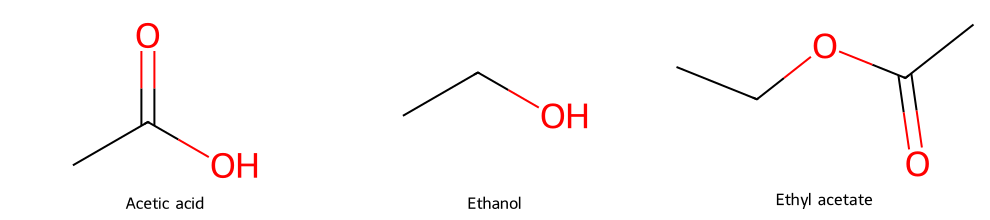
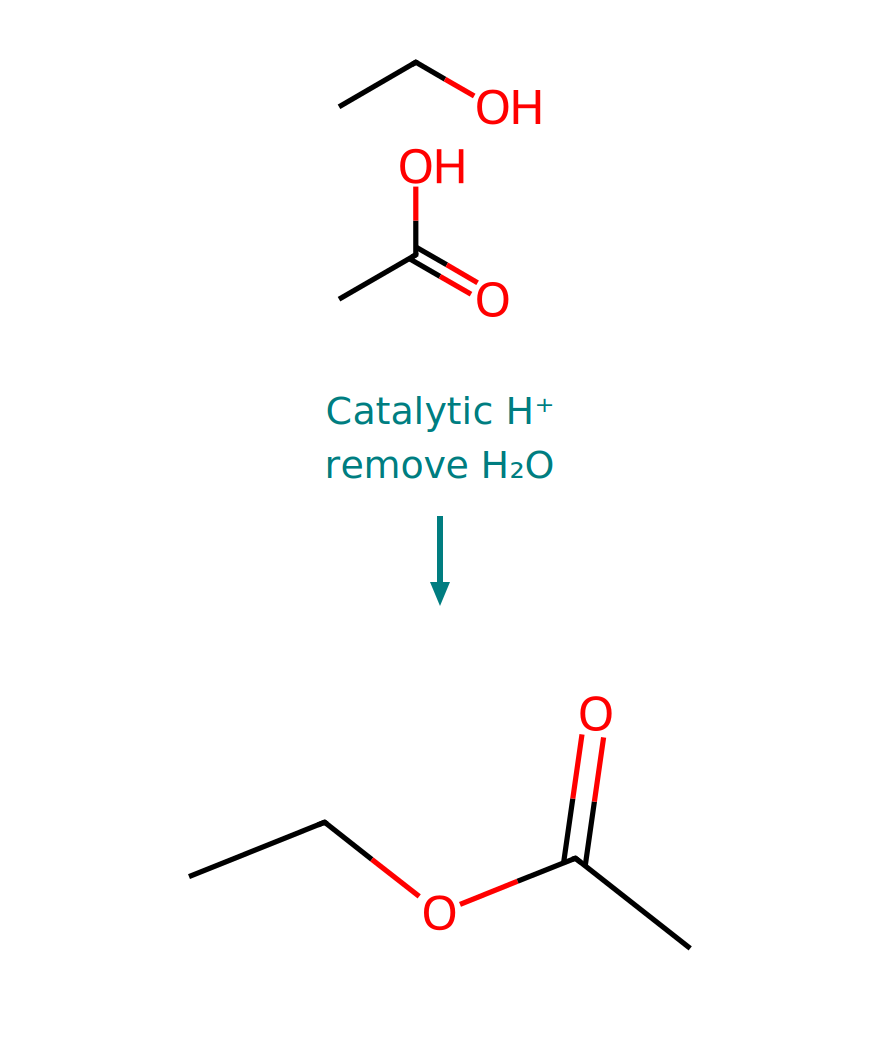
g. Fischer esterification
- An acid and alcohol form an ester and water under acid catalysis. Each mechanistic step is reversible; excess alcohol or water removal can favor ester.
- The acid carbonyl oxygen is activated by protonation, alcohol adds, proton transfers prepare water departure, and loss of water restores the carbonyl.
- The alcohol supplies the ester alkoxy oxygen, while the carboxylic acid supplies the acyl carbon skeleton.
h. Activated derivatives
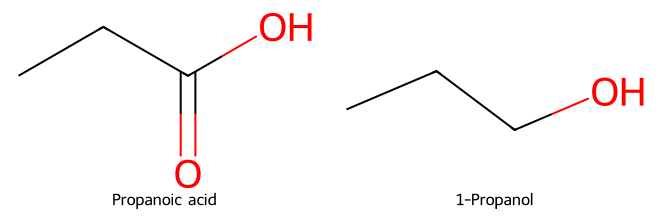
- An acid chloride can give an anhydride, ester or amide with an appropriate nucleophile. A carboxylic acid can be converted to an acid chloride using SOCl₂ or related activating reagents.
- Directly converting a less reactive derivative into a more reactive one usually requires activation rather than simple nucleophile exchange.

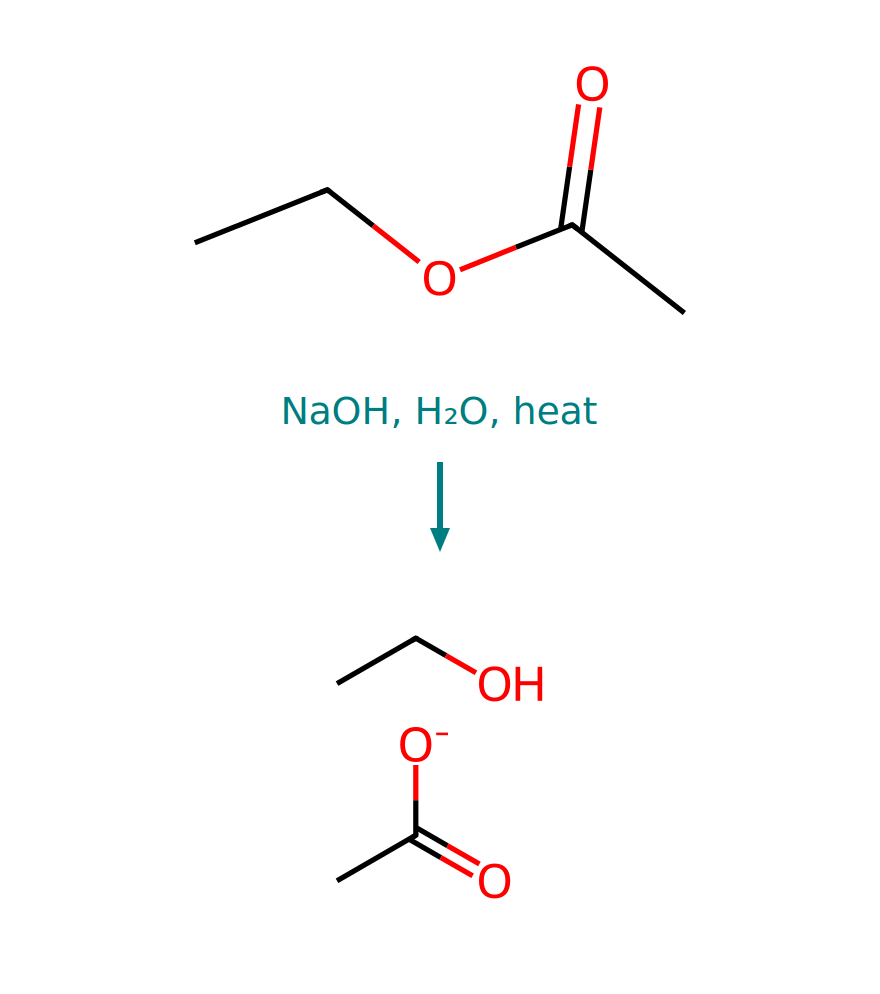
i. Ester and amide hydrolysis
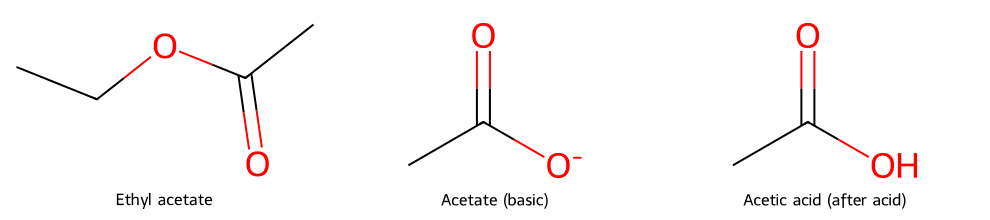
- Acidic ester hydrolysis is reversible. Basic ester hydrolysis gives carboxylate plus alcohol; formation of carboxylate helps drive saponification.
- Amide hydrolysis generally requires stronger acid/base conditions and heat. Acidic workup gives the acid after basic hydrolysis. Transesterification exchanges OR groups under suitable catalysis and equilibrium control.
j. Hydride products
- LiAlH₄ reduces carboxylic acids and esters to primary alcohols; the alcohol-derived portion of an ester is also released after workup. Amides reduce to amines.
- Selected bulky hydrides can stop acid chloride reduction at an aldehyde; controlled DIBAL conditions can convert suitable esters or nitriles to aldehydes after workup. The exact conditions matter.
- Beta-keto acids can decarboxylate readily on heating.
k. Carbon–carbon formation
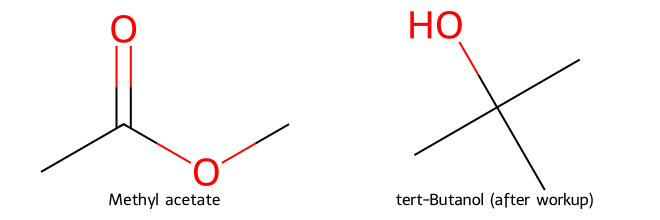
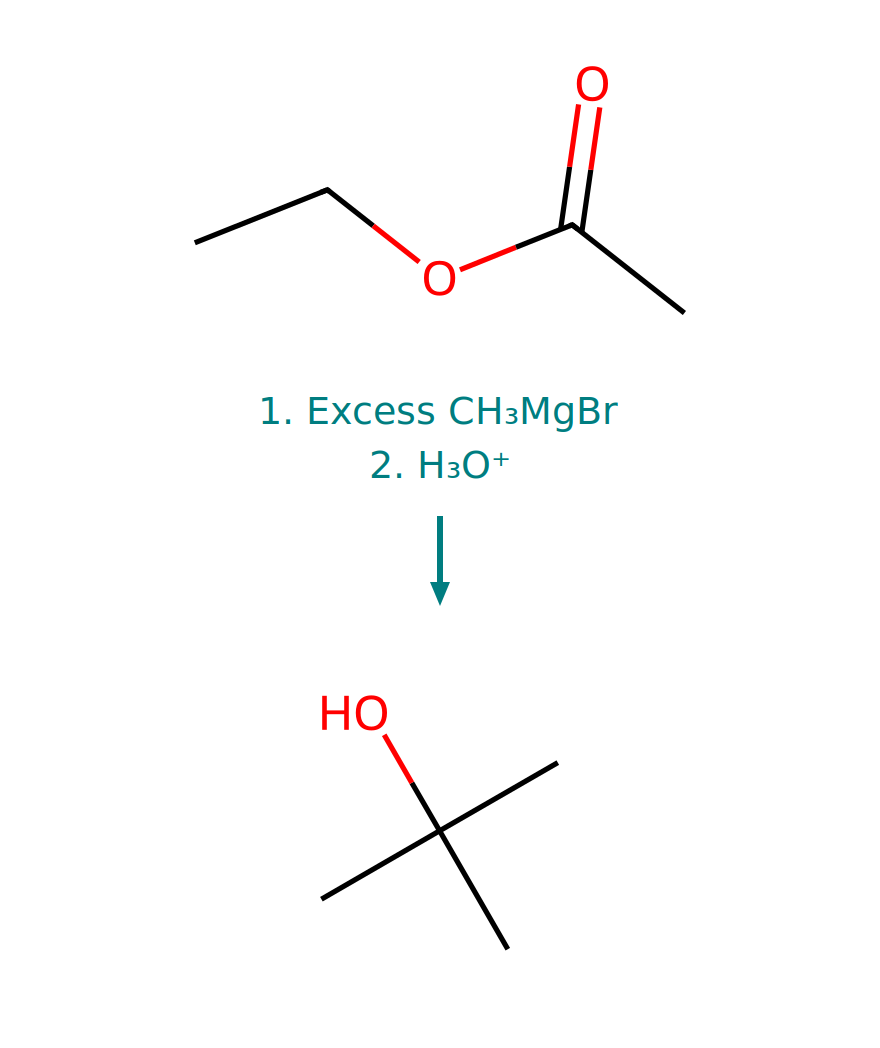
- Esters and acid chlorides commonly react twice with excess Grignard reagent: initial acyl substitution gives a ketone, followed by a second addition to give a tertiary alcohol after workup.
- An organocuprate can convert an acid chloride to a ketone without the usual second addition. Carboxylic acids consume strongly basic organometallic reagents by proton transfer first.
- For an ester, LiAlH₄ gives an alcohol from the acyl portion and releases the alkoxy-derived alcohol after workup. The ketone formed after the first Grignard addition is generally more reactive than the starting ester.
l. Intramolecular acyl substitution
- A hydroxy acid can form a lactone and an amino acid derivative can form a lactam when ring size and conditions permit. Five- and six-membered products are often favorable.
- Ring formation remains an equilibrium and reactivity problem; not every chain cyclizes efficiently. Distinguish carbonyl addition from acyl substitution by whether the final C=O remains.
D. Nitrile Chemistry
1. Hydrolysis, reduction and carbon count
a. Nitrile structure, SN2 homologation and carbon count
- Nitriles contain a C≡N functional group with a linear sp-hybridized carbon.
- A primary alkyl halide can react with cyanide by an SN2 pathway to form a nitrile with one additional carbon.
- Cyanide-related transformations require particularly careful chemical safety controls.
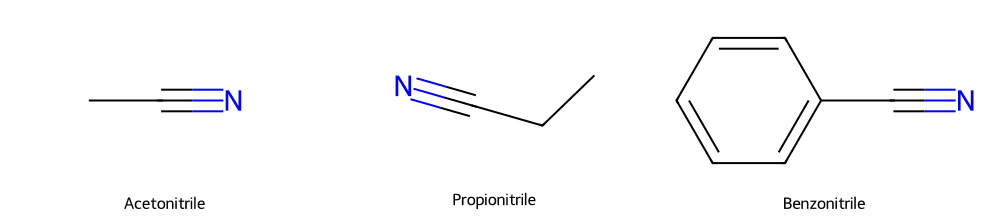
- SN2 substitution with CN⁻ adds one carbon to the alkyl chain; subsequent acidic or basic nitrile hydrolysis gives the carboxylic acid after the appropriate workup.
b. Nitrile chemistry
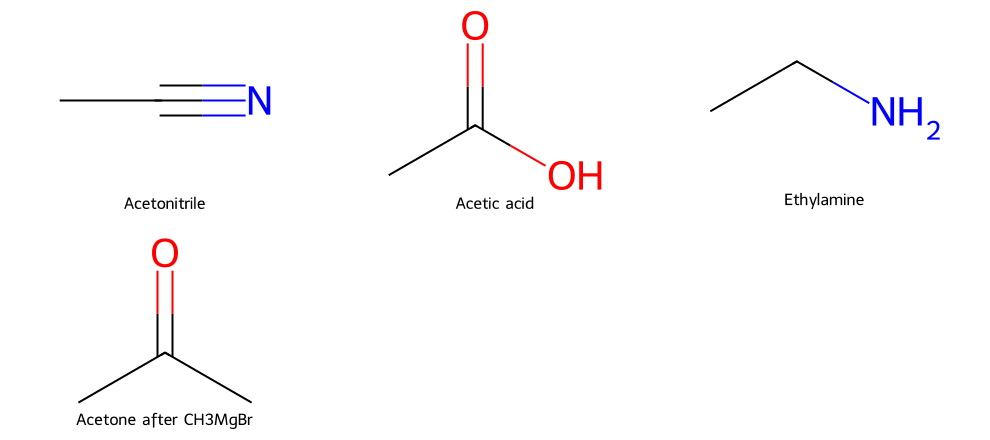
- A nitrile contains C≡N. Hydrolysis gives a carboxylic acid; strong hydride reduction gives a primary amine.
- Grignard addition to a nitrile forms an imine-derived intermediate; hydrolysis produces a ketone. A methyl/primary halide can undergo SN2 with cyanide to extend its carbon skeleton.
E. Claisen Condensation
1. Ester enolates, condensation and decarboxylation
a. Mechanism and product
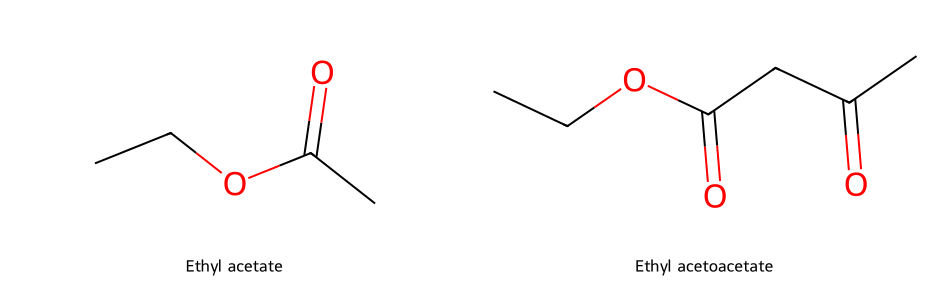
- An ester enolate attacks another ester, then alkoxide elimination restores the carbonyl and yields a β-keto ester framework.
- For the usual self-Claisen process, deprotonation of the β-dicarbonyl product helps drive the equilibrium; acidic workup gives the neutral product.
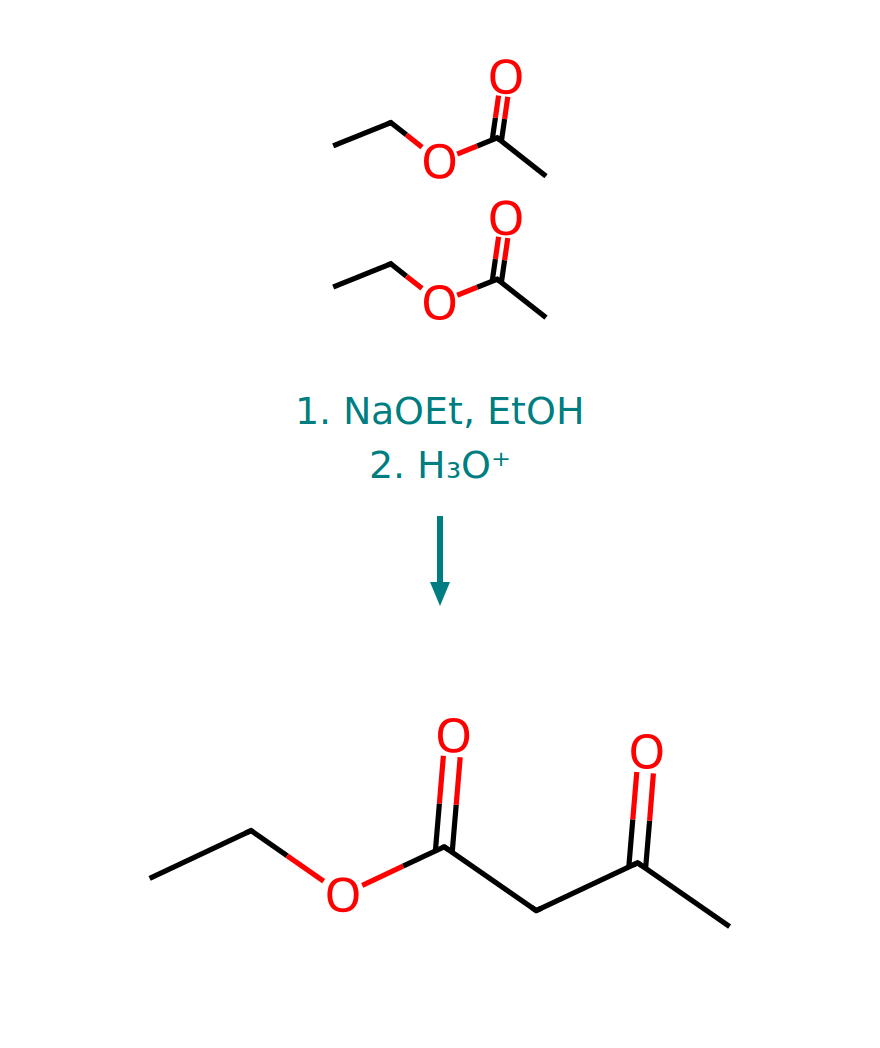
- A matching alkoxide helps avoid transesterification, and suitable α-hydrogens are required for the usual equilibrium-driven process.
b. Matching conditions
- Use an alkoxide base matching the ester OR group to reduce unwanted transesterification. A typical ester donor needs two α-H atoms for the usual driven condensation.
- Crossed Claisen selectivity is improved when the electrophilic ester has no α-H. Intramolecular Claisen condensation is the Dieckmann reaction.
| Reaction | Electrophile | Main initial product |
|---|---|---|
| Aldol addition | Aldehyde/ketone | β-Hydroxy carbonyl |
| Aldol condensation | Aldehyde/ketone | α,β-Unsaturated carbonyl |
| Claisen | Ester | β-Keto ester |
- In crossed reactions, identify the enolate donor and ester electrophile; when both partners can enolize, a single clean product should not be assumed.
c. Comparing alpha substitution, aldol and Claisen carbon accounting
- Alpha substitution retains the original carbonyl group while replacing an alpha substituent.
- An aldol coupling joins the carbon skeletons of two carbonyl partners; for example, two C2 units give a C4 aldol product.
- Claisen condensation of suitable esters also creates a C–C bond, whereas subsequent hydrolysis or decarboxylation can change the product carbon count.

| Reaction | Typical change | Product |
|---|---|---|
| Alpha halogenation | Alpha C–H → C–X | Alpha-halo carbonyl |
| Enolate alkylation | Alpha C–H → C–C bond | Alpha-alkyl carbonyl |
| Aldol addition | Two carbonyl partners join | Beta-hydroxy carbonyl |
| Aldol condensation | Aldol product loses water | Alpha,beta-unsaturated carbonyl |
| Claisen condensation | Ester enolate acylation | Beta-keto ester |
| Species | Nucleophilic site | Typical role |
|---|---|---|
| Enol | Alpha carbon of C=C–OH | Electrophilic substitution |
| Enolate | Alpha carbon / oxygen (ambident) | C–C formation; O-protonation |
| Aldehyde or ketone | Carbonyl carbon (electrophilic) | Aldol acceptor |
| Ester | Carbonyl carbon with leaving group | Acyl substitution |
- The following comparisons connect CH 8 enolate/aldol chemistry with the ester acyl-substitution chemistry developed here. They compare different transformations; the same mechanism should not be assigned to every row.
d. Malonic ester synthesis
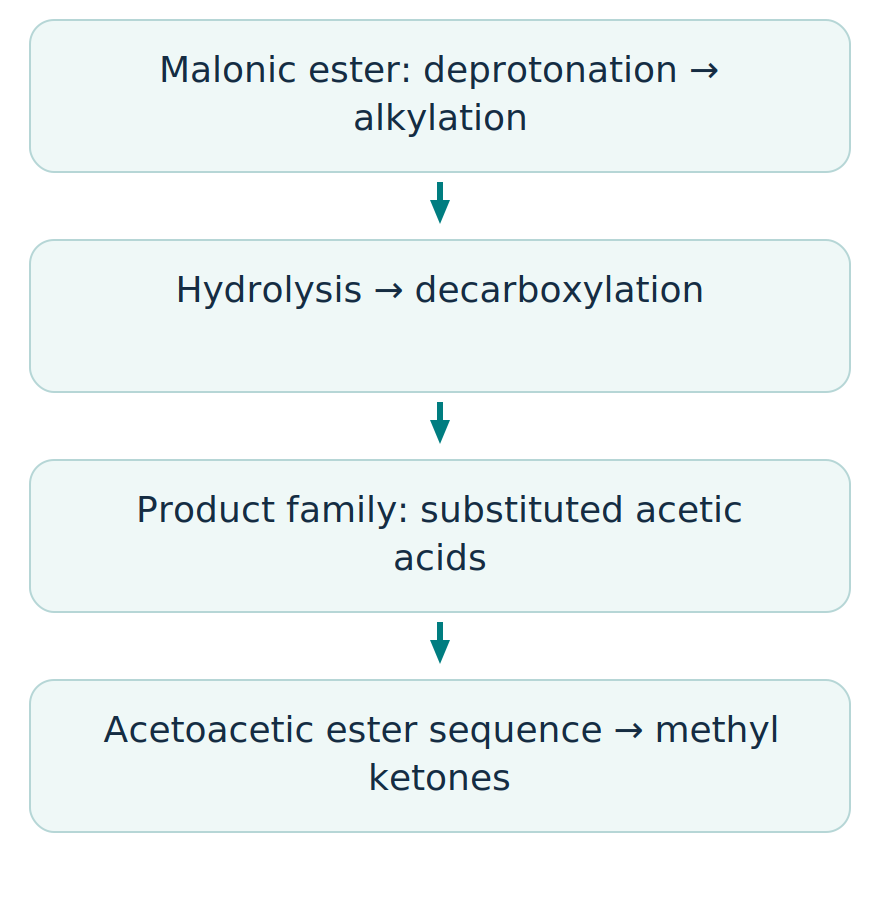
- Deprotonate malonic ester, alkylate with a suitable SN2 electrophile, hydrolyze the esters, then heat to decarboxylate.
- The sequence provides substituted acetic-acid derivatives. Count the retained carbonyl carbon and the carbon lost as CO₂ separately.

e. Acetoacetic ester synthesis
- Alkylation of a β-keto ester followed by hydrolysis and decarboxylation gives a substituted methyl ketone.
- Suitable substrates may undergo more than one alkylation before hydrolysis. Ring synthesis requires appropriate chain length and leaving-group placement.